
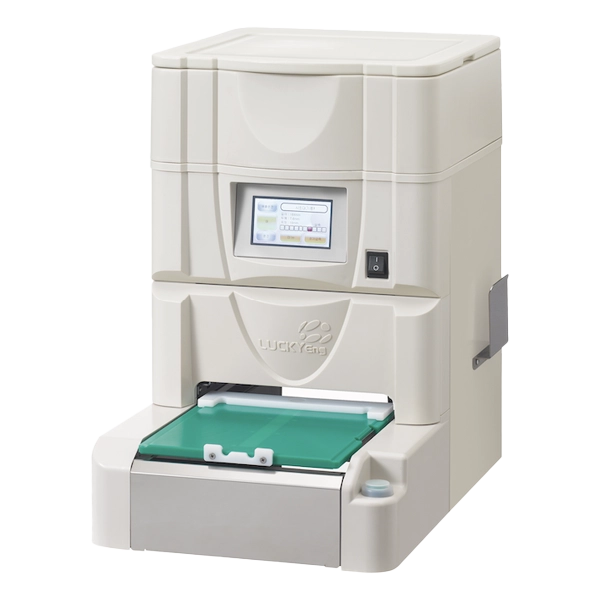
A maki machine may look technical at first glance, but the principle behind it is surprisingly simple. It is designed to automate one of the most time-consuming parts of sushi preparation: rolling.
For restaurants and professional kitchens, understanding how a maki machine works makes it easier to integrate into daily operations and maximize its benefits.
The Basic Principle Behind a Maki Machine
At its core, a maki machine controls pressure and movement to create a perfectly shaped sushi roll. Instead of relying on manual hand-rolling technique, the machine ensures consistent tension and even distribution of rice and fillings.
This controlled process eliminates variation and produces uniform results — roll after roll.
 Step 1: Preparation Is Key
Just like traditional sushi making, everything begins with properly prepared ingredients.
Sushi rice should be cooked, seasoned, and slightly cooled to achieve the ideal texture. Fillings such as fish, vegetables, or tofu should be cut evenly to ensure balance inside the roll.
A maki machine enhances the process — but quality ingredients still define the final result.
Step 2: Loading the Machine
Once the ingredients are ready, a sheet of nori is placed on the rolling tray. Rice is spread evenly across the surface, followed by the chosen fillings arranged in a straight line.
Most modern maki machines are designed to guide placement naturally, helping operators maintain consistent proportions.
Step 3: The Rolling Process
When activated, the maki machine rolls the sushi using calibrated pressure and smooth motion. This creates a tight, evenly shaped cylinder without crushing delicate ingredients.
The automation ensures:
- Even rice distribution
- Proper roll density
- Consistent diameter
- Clean structural integrity
For restaurants, this reliability is crucial during busy service hours.
Step 4: Finishing and Serving
After the roll is complete, it is removed from the machine and sliced into equal pieces using a sharp knife.
Because the roll is evenly structured, slicing becomes easier and cleaner — resulting in professional presentation on every plate.
Why Understanding the Process Matters
Knowing how a maki machine works helps restaurant owners and chefs:
- Optimize kitchen workflow
- Reduce food waste
- Train staff more efficiently
- Maintain consistent portion control
It transforms sushi rolling from a manual bottleneck into a streamlined production step.
A Modern Tool for Modern Sushi Kitchens
A maki machine doesn’t replace craftsmanship — it supports it. By automating repetition, it allows chefs to focus on flavor, creativity, and customer experience.
In today’s competitive restaurant environment, that balance between tradition and efficiency can make all the difference.